 Hot Features



 Premium





 Trade smarter, not harder: Unleash your inner pro with our toolkit and live discussions.


Online brokers make it possible for private investors to get involved in the stock market. By giving you the tools to manage your own portfolio, they reduce costs that would otherwise be charged by financial advisers or wealth managers.

You can buy and sell shares at the click of a button, with no waiting around trying to get hold of your broker.
There are many online brokers available, and before you can choose one, you need to know what to look for. (There’s a list of brokers on our Broker Listing page.)
Here’s a rundown of some of the things you need to consider when choosing the online broker that’s going to suit your needs.
1. Asset Classes
All online brokers will let you buy stocks, bonds, mutual funds and ETFs. But you may be interested in other assets such as options, international markets, foreign exchange, spread betting or cryptocurrencies, so check which brokers will let you trade in the assets you are interested in.
2. Fees and charges
Online brokers will usually charge a commission for every trade you make, and may also have a monthly fee as well. While competition between brokers can keep these fees low for buying and selling common assets, there may be higher fees for more unusual assets, or for access to advanced tools and services, so it pays to shop around. Watch out for hidden fees, such as a charge for inactivity or for transferring funds out of your account.
You should also check if there is a minimum deposit required to invest.
3. Margin Accounts
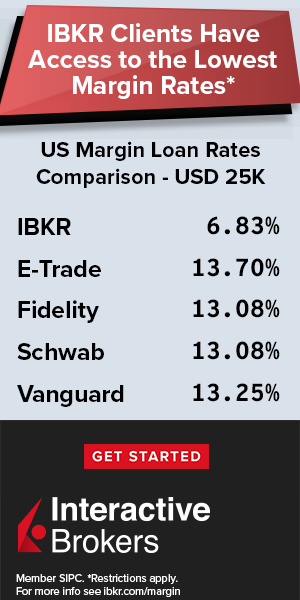
A margin account will let you borrow money to buy assets, so that you can trade with more than the amount you deposit with your broker – that’s called leverage. This is generally used for trading options or CFDs and for spread betting. If that’s what you intend to do, check the percentage of leverage the broker will offer you.
Warning: while using leverage will increase your profits, if a trade goes against you it will also magnify your losses.
4. Interface
Take a look at the broker’s website and see how easy it is to use. Can you buy and sell easily, without having to hunt around for the option you want? Look at the tools the broker offers, such as real-time or streaming quotes, customised watchlists and customisable interfaces.
Some brokers have a mobile app so you can access your account wherever you are. If that’s important to you, have a look at the reviews and user comments for the app to see if it’s been well-developed, is reliable and stable, and user-friendly.
5. Regulation
It’s important that a broker you are going to entrust with your money is reliable and trustworthy, and the way to find that out is to check that they are regulated by the appropriate authority for the jurisdiction they are based in. If it is not regulated, or if it’s based in a small off-shore country with lax rules and regulations, then beware!
6. Security
As well as regulation, you should look at the security protocols the broker uses. You should expect the broker to protect your account against hackers, and to have a privacy policy that protects your data. Also check if the broker has adequate protection against fraud, and if there is any redress if someone accesses your account without authorisation.
You can compare respected brokers on our Broker Listing page.