Fresenius Medical Care Offers Five Tips to Help Slow the Progression of Kidney Disease
February 29 2012 - 10:30AM
Business Wire
It’s well known that diabetes and hypertension are prevalent in
the United States. However, many people don’t realize these
diseases are also the leading causes of chronic kidney disease
(CKD). More than 26 million Americans have CKD, and millions more
are at increased risk and may not even know it. During National
Kidney Month in March, Fresenius Medical Care North America
(FMCNA), the nation’s leading network of dialysis facilities, urges
people at risk for CKD to be aware of the symptoms of the disease
and how to help slow its progression.
CKD is a progressive, usually permanent loss of kidney function.
Many people who have CKD are still in the early stages of the
disease, but by the time CKD leads to kidney failure, or end-stage
renal disease (ESRD), the only treatments are a kidney transplant
or dialysis. Some of the early symptoms of kidney disease include
changes in urination; swelling of the face, hands and/or feet;
feeling more tired than usual; nausea and vomiting; headache,
dizziness; severe itching; shortness of breath; loss of appetite;
and high blood pressure.
“In the early stages of kidney disease many people do not show
any symptoms, which is why screening tests are so important,” said
Dugan W. Maddux, MD, FACP, vice president, Chronic Kidney Disease
Initiatives at FMCNA. “It is much better to know early if you have
CKD because there are often interventions that can slow its
progression.”
5 Tips to Help Slow the Progression of Kidney Disease
During National Kidney Month, FMCNA urges people at risk for
kidney disease to follow these five tips that may help detect and
slow the progression of the disease:
1. Make sure you are screened for CKD if you
have diabetes, hypertension, cardiovascular disease or a family
history of kidney disease.
2. Be compliant with your prescribed
medications.
3. Eat a healthy diet and exercise daily.
4. Maintain an “ideal” body weight.
5. If you have CKD, educate yourself on how
to manage your disease and actively work with your healthcare
team.
Some people can live with kidney disease under a doctor’s care
for a long time before they reach end-stage kidney disease, while
others progress more quickly. In either case, it’s important to be
compliant with your medical appointments and talk regularly with
your healthcare team.
FMCNA has created several education programs to help inform
patients and their families to better understand CKD and treatment
options. The company’s Treatment Options Program (TOPs) educational
sessions are open to the public at no cost, and provide information
about kidney disease management and the treatments available when
CKD leads to kidney failure. To find a class near you, call
toll-free 1-877-TOPS-LIFE (1-877-867-7543) or visit
www.ultracare-dialysis.com/TOPS (in English and Spanish).
About Fresenius Medical Care
Fresenius Medical Care (NYSE: FMS) is the world’s leading
company devoted to patient-oriented renal therapy. Through nearly
2,900 clinics in North America, Europe, Latin America, Asia-Pacific
and Africa, we provide kidney dialysis treatments to approximately
228,000 patients worldwide. We are also the world’s leading maker
of dialysis products such as hemodialysis machines, dialyzers and
related disposable products. Chronic kidney failure is a condition
that affects about 2 million individuals worldwide.
For more information about the company’s more than 1,800 U.S.
dialysis facilities, visit www.ultracare-dialysis.com (in English
and Spanish). For more information about Fresenius Medical Care,
visit www.fmc-ag.com or www.fmcna.com.
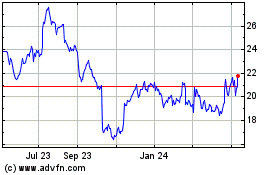
Fresenius Medical Care (NYSE:FMS)
Historical Stock Chart
From Mar 2024 to Apr 2024
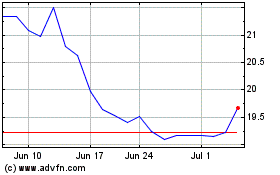
Fresenius Medical Care (NYSE:FMS)
Historical Stock Chart
From Apr 2023 to Apr 2024